
Research Focus
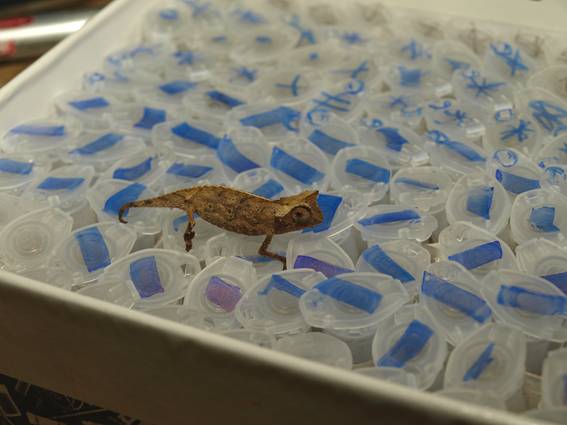
Herpetology, the zoological discipline dedicated to the study of amphibians and reptiles, forms the central focus of my scientific work. My primary research interest lies in the unique herpetofauna of Madagascar, an island renowned for its exceptional biodiversity and the high prevalence of microendemic species, particularly among amphibians and reptiles. It covers a wide range of topics, primarily the taxonomy, systematics and decoding of cryptic species diversity in chameleons (Chamaelonidae), geckos (Gekkonidae), and frogs (Mantellidae). Most of these species are forest-dwelling and exhibit considerable species-level turnover across very small geographic scales. Consequently, Madagascar represents an outstanding natural laboratory for studying speciation and adaptive radiation. Its remarkable species richness and the presence of several endemic radiations provide excellent opportunities for statistical comparisons of evolutionary patterns, once sufficient data are available.
Amphibians and reptiles are particularly suitable model groups for exploring patterns of differentiation and dispersal processes. Madagascar harbors more than 300 amphibian species and over 390 reptile species, with endemism rates reaching nearly 100 % among amphibians and 92 % among reptiles. In addition, both groups display high levels of regional microendemism within the island. Advances in evolutionary biology and molecular techniques have greatly improved our understanding of species delimitation and speciation processes. While it is widely accepted that multiple modes of speciation have contributed to the current diversity, the mechanisms driving species diversification remain the subject of intensive research.

PhD Research
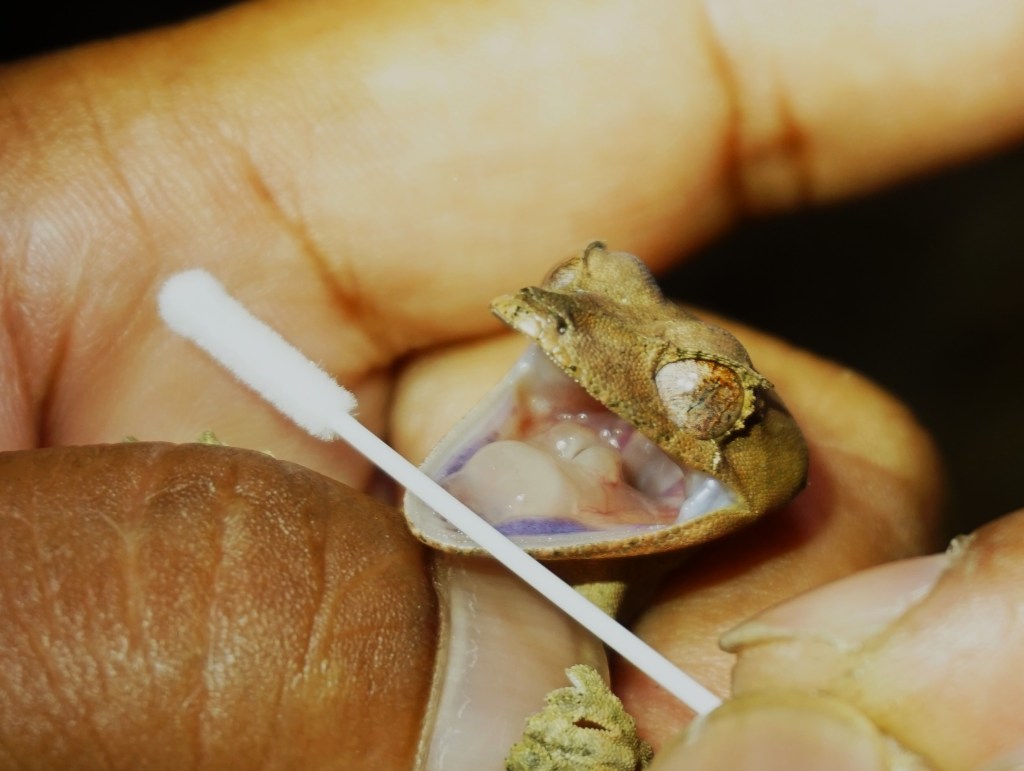
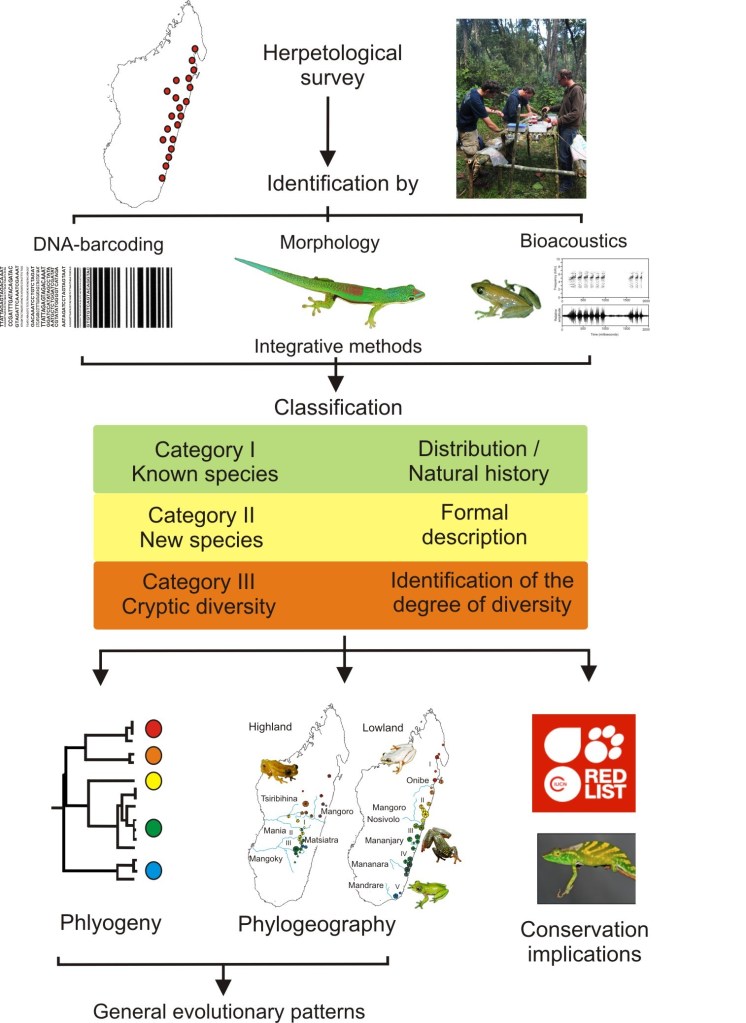
My doctoral research at the Technical University of Braunschweig (Germany) focused on the distribution ranges, taxonomy, phylogeny, phylogeography, and population genetics of selected amphibian and reptile species along Madagascar’s east coast. The study was based on a distinct a priori sampling design along a transect of approximately 1,000 km, specifically developed to investigate the evolutionary processes shaping the region’s unique herpetofauna.
A dense geographic sampling scheme and precise geo-referencing of specimens ensured accurate documentation of species distributions. These data served as the foundation for a series of phylogenetic and phylo-geographic analyses. The sampling design was explicitly integrated into the analytical framework, allowing for an evaluation of how sampling structure may influence evolutionary inferences.
Major Findings and Contributions
This research has contributed to several key aspects of Madagascar’s herpetological knowledge base:
- Filling major sampling gaps for amphibian and reptile species along the east coast.
- Providing comprehensive information on natural history, species distributions, community composition, and diversity patterns.
- Identifying priority regions for future research and in situ conservation initiatives.
- Establishing a valuable collection of tissue samples and voucher specimens for subsequent molecular and morphological studies.
- Discovering and characterizing previously unknown genetic lineages, unconfirmed candidate species, and confirmed new species—some of which have since been formally described.
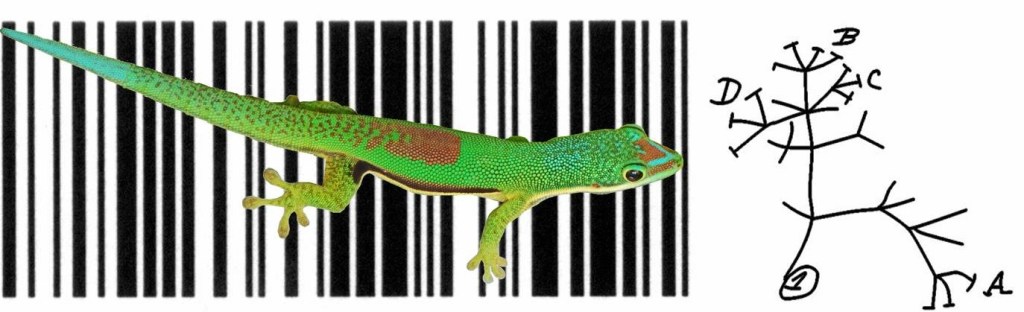
- Reconstructing phylogenetic relationships within and among taxa, revealing previously unrecognized genetic variation and refining taxonomic classifications.
- Expanding the understanding of biogeographic patterns and processes that have shaped the speciation dynamics along Madagascar’s eastern rainforest corridor.
Collaborations and networks
My research work is characterized by numerous national and international collaborations and participation in research networks. To date, I have published with over 70 co-authors from 12 countries. My closest collaborators are Prof. Miguel Vences from the Technical University of Braunschweig, Germany (who was also my doctoral supervisor); Dr. Frank Glaw from the Bavarian State Collection of Zoology in Munich, Germany; Prof. Dr. Fanomezana Ratsoavina from the University of Antananarivo, Madagascar; Dr. Jörn Köhler from the Hessisches Landesmuseum Darmstadt, Germany; and Dr. Mark Scherz from the Natural History Museum of Denmark, University of Copenhagen, Denmark.
On a project basis, I also work closely and regularly with researchers in South Africa, Great Britain, USA, Italy, Portugal, France, and Poland.
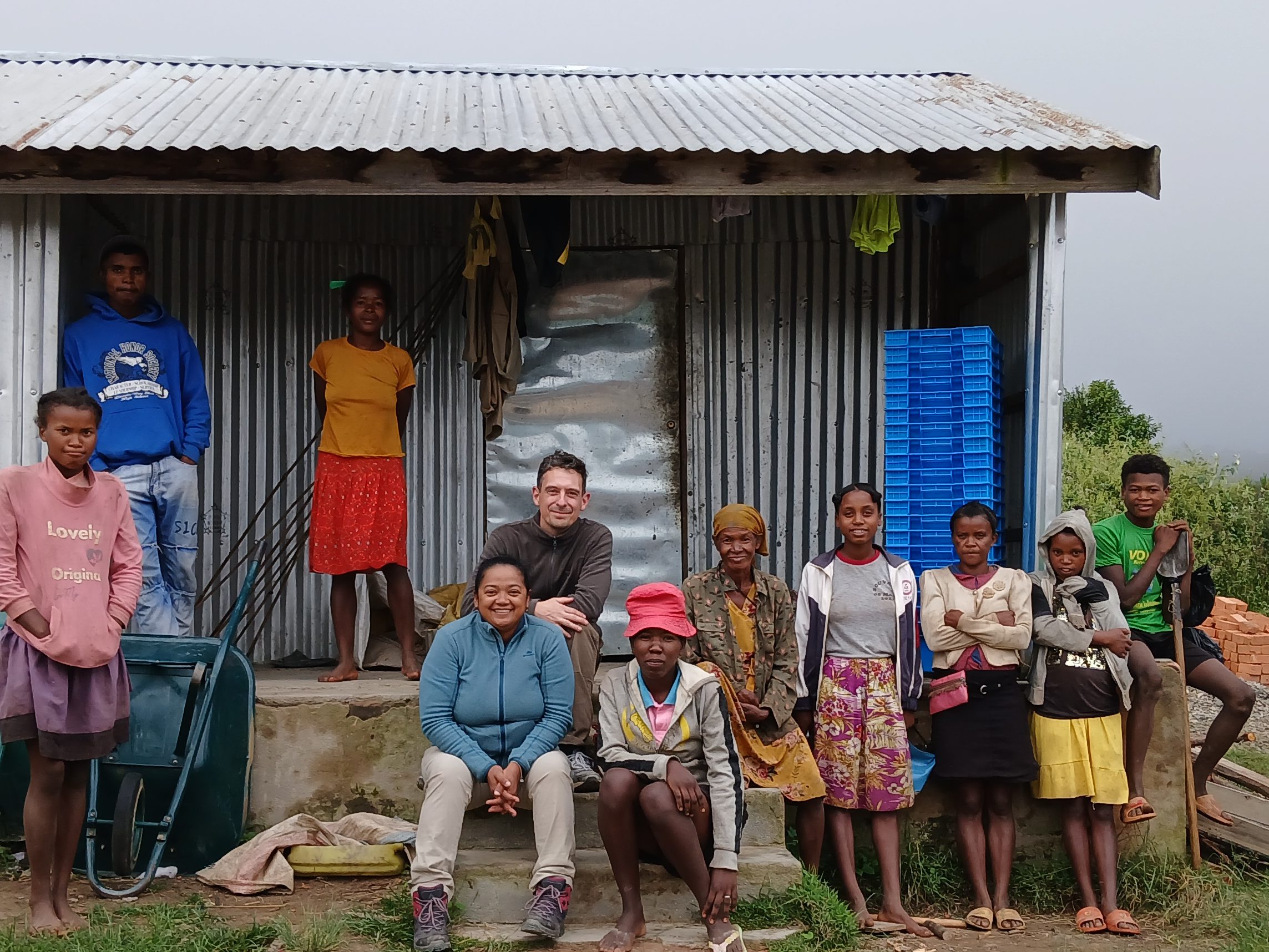
Prof. Fanomezana Ratsoavina (front left).
Awards and scholarships
My research and work have been and continue to be generously supported financially by various foundations and societies:
2006 Chimaira Young Scientist Award (2nd prize) from the Chimaira Book Trade Association and the Deutsche Gesellschaft für Herpetologie und Terrarienkunde (DGHT) for the first state examination thesis: “Habitat preferences and activity patterns of Furcifer pardalis (CUVIER, 1829) – Analyses of radio-telemetric data.”
2008 Research scholarship “Wilhelm Peters Fund” from the DGHT Funding
2009 Doctoral scholarship from the Volkswagen Foundation for the doctoral project “Towards the understanding of the biogeographic evolution of Madagascar’s unique herpetofauna”.
2010 Research grant from the DGHT‘s “Wilhelm Peters Fund”
2022 “Michaela and Marco Schulz Fund” for the firesalamander project at the Gymnasium am Waldhof (Bielefeld) by the DGHT.
2023 3rd prize for the firesalamander project at the Gymnasium am Waldhof at the “1. Bielefelder Jugendumwelt- und Klimakongress” of the Andreas Mohn Stiftung.
2024 HIT Umweltstiftung in cooperation with Frogs & Friends e.V. and Citizens Conservation. Funding for the expansion of a light well terrarium at the Gymnasium am Waldhof.


 psgehring.com