I’ve been fascinated by animals for as long as I can remember, and as a child I was determined to become an “animal researcher.” Early on, I found myself drawn not to the well-known species like lions, dolphins, or dogs, but to the more unusual and often overlooked creatures. I spent countless hours poring over animal encyclopedias from the library and watching nature documentaries on television, completely captivated by the diversity of life on Earth.
Alongside this love of nature, I also enjoyed building and creating things — landscapes for model trains or detailed scenes made from Lego bricks. Looking back, it seems only natural that these two passions came together in the terrarium hobby. On one hand, there was the challenge of recreating a natural habitat as realistically as possible, and on the other, the discovery of an incredible variety of smaller reptiles, especially geckos, that were both strange and beautiful. What fascinated me most was that many of these species were still poorly known, offering endless opportunities for exploration. The more I became involved in keeping reptiles, the stronger my wish grew to observe them in the wild.
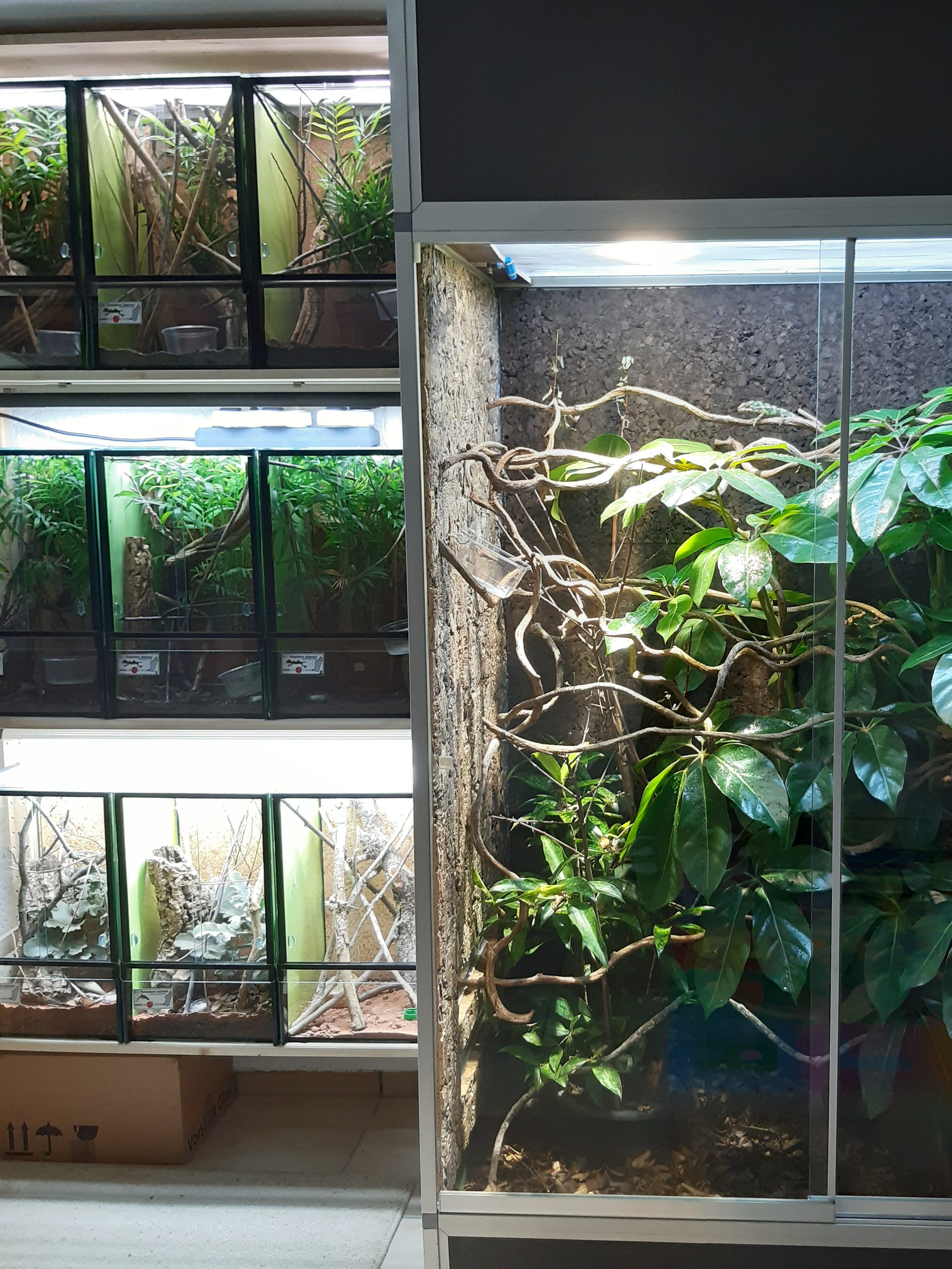
My first terrarium animals were Golddust Day Geckos (Phelsuma laticauda laticauda), which sparked a deep curiosity about Madagascar — their homeland. When I began studying biology, I finally had the chance to travel there for the first time in 2004, and I immediately fell in love with the island. Its incredible diversity of species and habitats was overwhelming. That experience made a lasting impression on me and confirmed my desire to learn more about Madagascar’s unique herpetofauna.
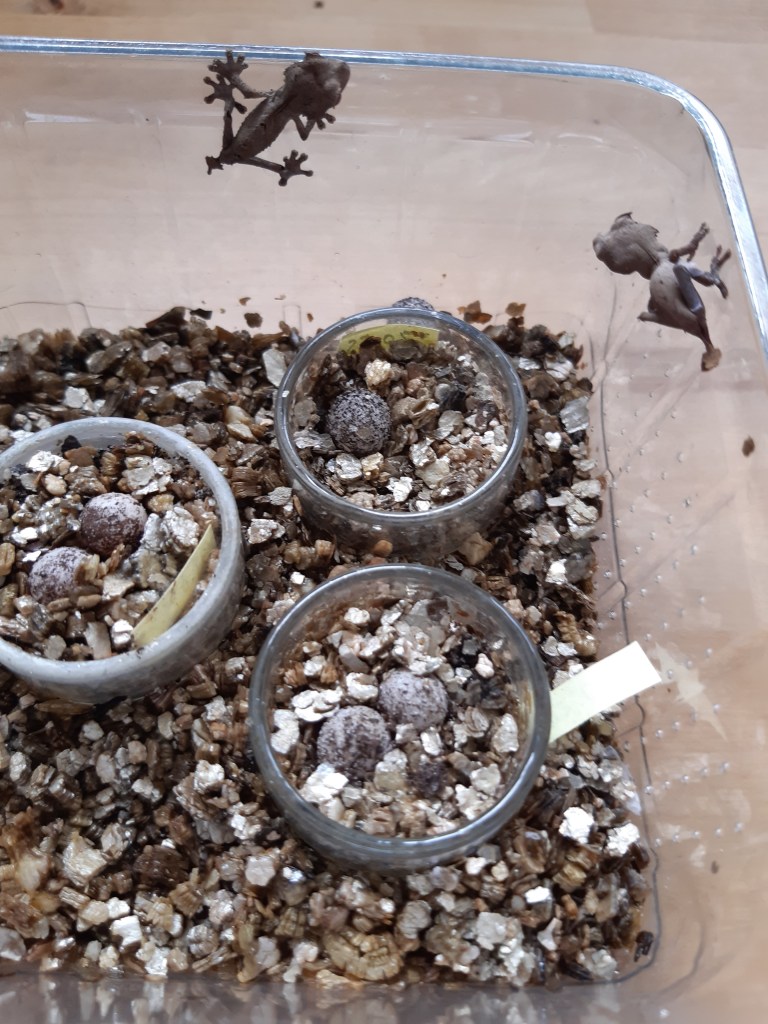
After returning home, I decided to focus my terrarium work entirely on Malagasy species — especially geckos and chameleons — and, within my biology studies, I concentrated on herpetology, with a focus on evolutionary biology and taxonomy. I also began to keep representatives of different geckos and chameleons in the terrarium and soon there were continuous breeding successes with various species. Keeping leaf-tailedgeckos of the genus Uroplatus in particular offered unique opportunities to gather basic information on the biology of these fascinating geckos. In the wild, it is almost impossible to observe the behavior of the animals undisturbed or to find clutches of leaf-tailedgeckos. This basic data on the successful husbandry and reproduction of these geckos can provide guidelines for successful ex situ conservation breeding programs and also provide direct implications for in situ species conservation programs.

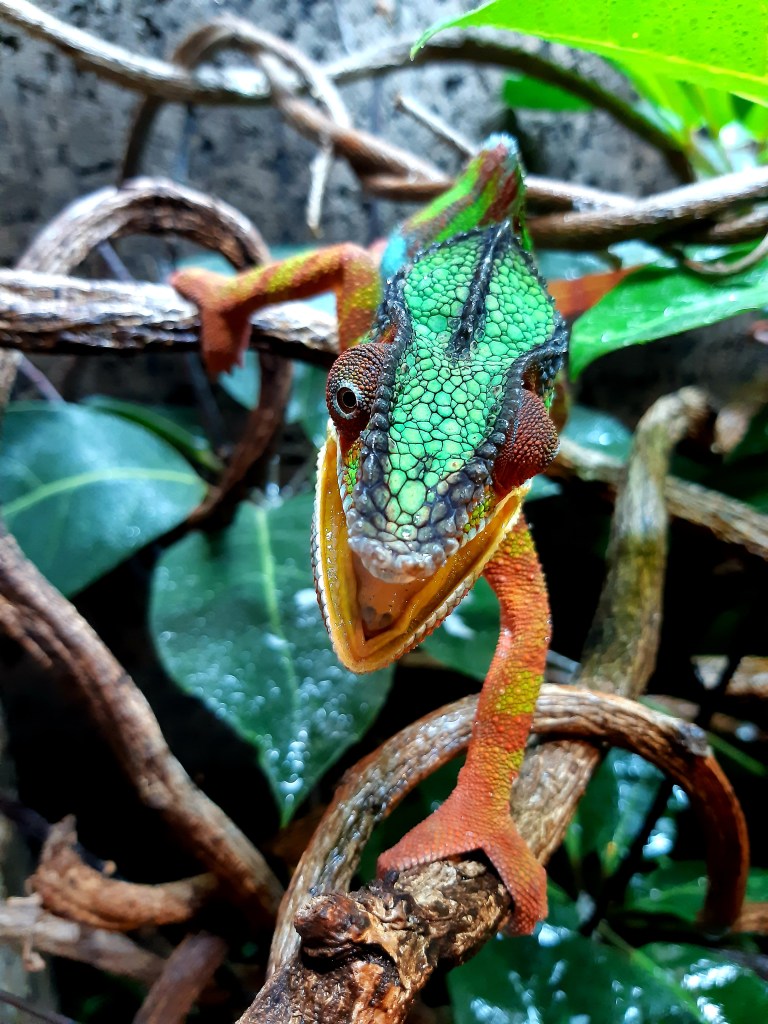
My hands-on experience with terrariums turned out to be a real asset in my academic work. Through the German Society for Herpetology and Terrarium Science (DGHT), I also met many dedicated herpetologists and passionate hobbyists, and this exchange between professional and amateur perspectives has been invaluable ever since. It continues to enrich both my scientific research and my personal connection to the animals that first inspired me.
Interview with Philip-Sebastian Gehring: “I came to herpetology via herpetoculture”.
 psgehring.com